Creating a Lawn Maintenance Plan Suited to Your Preferences
Developing a grass maintenance plan that functions for you can seem daunting, but with the right method, it can become a manageable and satisfying task. A healthy lawn not only boosts the aesthetic of your home but also adds to a sustainable environment. Whether you are a seasoned gardener or a new homeowner eager to learn, comprehending the essentials of lawn care will help you grow a thriving, green yard that you can be proud of.
In this manual, we will explore the essential aspects of lawn care. From choosing the best grass types for your climate to efficient watering techniques and seasonal maintenance tips, we will offer you with the knowledge you need to develop a customized lawn care plan. By steering clear of common errors and utilizing eco-friendly practices, you can reach the vibrant yard you aspire to while also being mindful of sustainability. Let us dive into the critical elements of lawn care and uncover how to create a plan that suits your lifestyle and guarantees the health of your lawn throughout the year.
Lawn Care Essentials
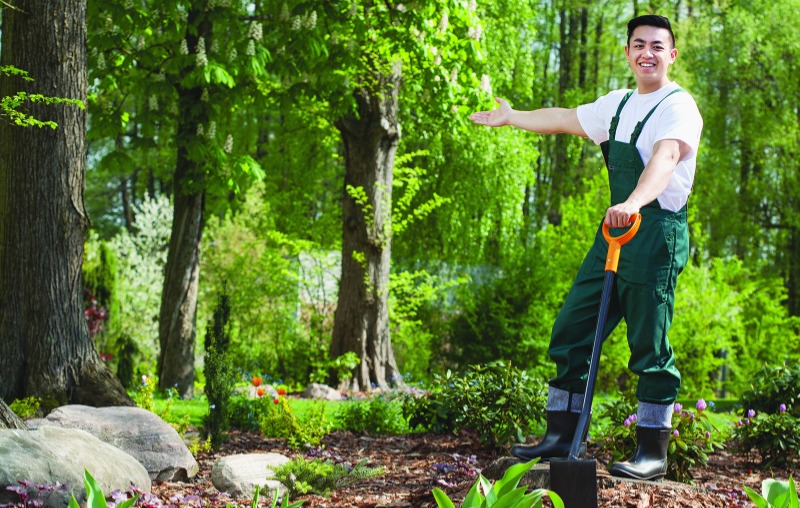
A lush green lawn requires a robust foundation of knowledge and practices to prosper. Understanding the basics is key, and this starts with knowing the ideal grass types appropriate for your climate. Each region has its perfect grass species that can tolerate local temperatures and moisture levels. By selecting the right grass, you set your lawn up for achievement.
Maintaining a thriving lawn isn't just about selecting the right grass; it involves regular upkeep as well. Mowing is one of the most important tasks in lawn care. It should be done at the proper height and interval to promote growth. Additionally, knowing how to irrigate your lawn effectively is crucial. Learning the best times to water and identifying the signs of too much water or not enough water can determine the vitality of your grass.
Fertilization is another essential aspect of lawn care. Understanding when and how to apply fertilizers, whether natural or synthetic, plays a key role in achieving a lush, healthy lawn. Testing your soil can provide crucial insight into its nutrient content and pH levels, guiding your fertilization strategy. Incorporating aeration and composting can significantly enhance soil health, creating the ideal conditions for your grass to flourish.
Periodic Lawn Maintenance
Understanding the periodic needs of your lawn is crucial for keeping its well-being and appearance. In the spring, prioritize revitalizing your grass after the cold season. Start with a thorough cleanup to remove clutter and leaves, then aerate the soil to improve nutrient uptake. Follow this with a ground test to determine acidity and necessary amendments. A spring lawn maintenance checklist can assist you through tasks like feeding with the best fertilizers for a lush, vibrant lawn and overseeding to fill in bare spots.
As the summer approaches, your lawn will require more attention due to rising heat. Watering becomes essential during these hot months; understanding how frequently you should irrigate your lawn is key to preventing overstress. Early irrigation is generally preferred as it allows the lawn to take in water before the heat of the day. Additionally, keep an watch out for indicators of excess watering and insufficient watering, as both can damage your lawn. Maintaining vigorous grass also involves remaining vigilant in preventing pests and diseases during this period.
When autumn arrives, it’s the right moment to get ready your grass for the colder weather. This is a fantastic chance to fertilize again, as the grass will be storing nutrients for winter. Autumn lawn maintenance also involves soil aeration and overseeding, which can help your grass recover from the summer wear. Be sure to remove any fallen leaves and clutter to stop fungus development. Winter lawn maintenance suggestions such as mulching and reducing foot traffic on frosty grass will safeguard your yard during the off-season, guaranteeing a lush grass when the warmth of spring returns.
Pest and Disease Management
Controlling pests and diseases is essential for maintaining a healthy lawn. Typical lawn infestations including grubs, chinch bugs, and grass webworms can cause damage if not controlled. Consistently inspect your lawn for indications of pest activity, including browned areas or areas where grass is absent. Natural remedies like introducing beneficial insects or using neem oil can help maintain pests at bay without harming your grass.
Lawn diseases, on the other hand, often present as color change, wilting, or odd growth patterns. Identifying the type of disease affecting your lawn is key to effective treatment. Fungal problems like brown patch and dollar spot are common and usually occur in hot, humid environments. To combat these, ensure proper aeration and avoid excessive watering, which can create an optimal environment for fungal growth.
Preventing lawn pests and infections involves sound cultural methods. Frequent mowing and maintaining https://freshcutqualitylawn.care/ can promote vigorous grass, making it less vulnerable to stress. Also, ensuring proper soil health through testing and amending can fortify your lawn against various risks. By adopting these management strategies, you can enjoy a vibrant and resilient lawn year-round.